Home Gym Setup Guide: Build Your Space Without Wasted Spending
Recommended picks


Measure Your Space Before You Order
Before ordering any equipment, pull out a tape measure and map the exact floor space and ceiling height of your room. Power cages and home gym systems are larger than they appear in product photos.
The Total XLS Home Gym publishes dimensions of 90 inches deep by 19 inches wide by 43 inches tall. That 43-inch frame height does not include the overhead clearance needed for a loaded barbell during pressing movements; plan for at least 8 feet of ceiling clearance for comfortable overhead pressing. The Sunny SF-XF9925 Power Cage ships at 134.5 pounds; arrange for delivery into the room itself, not just to the front door. Lay masking tape on the floor in the cage's exact footprint before you buy, then add 3 feet on each side for plates and 4 to 5 feet in front for barbell walkout during squats. A single-car garage bay or large spare bedroom can accommodate most setups, but only if you measure honestly first.
Start With a Bench; Add a Rack Later
Most home gym builds go wrong by purchasing a power cage before owning a bench, barbell, and plates. A bench is useful from the first session: pressing, bent-over rows, step-ups, incline push-ups, and stretching. A cage is only useful once you have a barbell and plates loaded inside it, which adds significant additional cost.
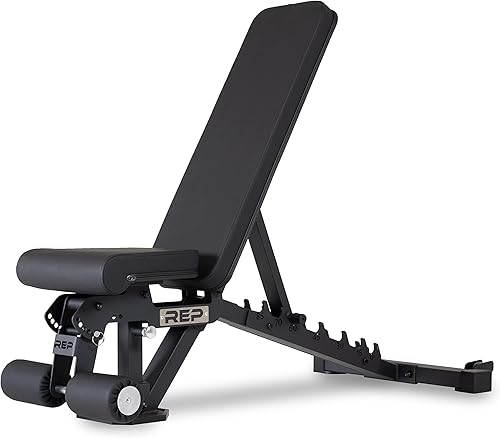
The NICEPEOPLE FB-23YLD05 weight bench weighs 17 pounds and measures 46 inches deep by 16.7 inches wide by 17.2 inches tall. It logs 20,000 buyers per month and carries 4.6 stars across 3,700 reviews, which reflects strong demand from real home gym owners at $69.99. If you want a heavier-duty bench, the Rep AB-3000 uses alloy steel construction, weighs 49.44 kilograms, and earns 4.8 stars across 1,000 reviews with 500 buyers per month at $349.99. The Marcy SB-10115 is a proven budget option at $91.89: alloy steel, 30 pounds, 4.6 stars across 5,200 reviews, and dimensions of 18 inches deep by 58 inches wide by 45 inches tall. Buy a solid bench first and use it consistently before adding a rack to the room.
Power Cage vs. Home Gym System: Which Fits Your Goals
A power cage and a cable-based home gym system solve different training needs. A power cage gives you a free-weight barbell station with adjustable safety catches; you supply your own barbell, plates, and bench. The Sunny SF-XF9925 Power Cage is built from alloy steel, weighs 134.5 pounds assembled, costs $349.99, and has 1,200 reviews at 4.7 stars. Pair it with a barbell and plates for a complete squat and bench press station.
A home gym system bundles resistance into a single frame, often using weight stacks or cable pulleys. The Total XLS supports up to 400 pounds of resistance at $750, with dimensions of 90 inches deep by 19 inches wide by 43 inches tall. The Total RG5APEX handles up to 300 pounds and measures 93 inches deep by 15.5 inches wide by 43.25 inches tall for $1,369.99. Cable systems suit isolation work, rehab movements, and variety. If squats and barbell pressing are your priority, lean toward the cage. If you want guided cable movements without loading a barbell, a home gym system fits better.
Add a Pull-Up Bar Early for Maximum Return
A pull-up bar is one of the highest-value purchases in a home gym. The Joist JMP pull-up bar uses alloy steel construction, weighs 4.88 kilograms, and supports up to 350 pounds. At $56.33 with 1,200 reviews at 4.6 stars, it adds a complete back and bicep training option without occupying any floor space.
Mounted to a joist or structural doorframe, a pull-up bar converts a bench-only setup into a push-pull training program. Beginners who cannot yet complete a full pull-up can loop a resistance band over the bar for assistance. The bar also works for hanging leg raises and active-hang shoulder decompression, which matters if you spend long hours sitting at a desk. Install a pull-up bar before spending money on a lat pulldown cable attachment, which costs significantly more and requires a cage or cable tower to mount.
Floor Protection and Room Layout
Bare concrete wears equipment feet and transmits impact noise through the building structure. Bare hardwood can be gouged by cage feet under load. Rubber flooring or thick equipment mats placed under each piece protect the surface and reduce vibration.
When placing a cage or rack, position it so the barbell unracks forward and the lifter has at least 4 feet behind to step back for a squat walkout. Keep the bench accessible on one side of the cage rather than underneath any cable attachment when not in use. Plan for ventilation from the first day: a garage or spare room heats up quickly during a training session, and a fan or open window is as important to consistent training as the equipment itself. Dimensions are not published for all products in this section; verify the exact footprint on each product page before finalizing your layout.
Phase Your Budget: Start Small, Scale After 30 Days
Buying an entire gym in one order is how people end up with equipment that sits unused. Start with a bench and a pull-up bar in month one. If you train consistently for four weeks, add plates and a barbell, or a resistance cable attachment, in month two. Only after two months of consistent use should you evaluate whether a power cage or home gym system matches how you actually train.
This phased approach also confirms the footprint works for your room before you commit to heavy pieces. The NICEPEOPLE FB-23YLD05 at $69.99 and the Joist JMP at $56.33 together create a functional push-pull home gym for about $126 total. Stepping up to the Rep AB-3000 at $349.99 adds a premium alloy steel bench. Adding the Sunny SF-XF9925 at $349.99 delivers a full barbell cage. A complete, well-chosen setup can be built for under $500 by phasing purchases and skipping equipment you have not yet established a need for. Gymso is an Amazon Associate and earns from qualifying purchases; this supports our research and does not influence our rankings.
Common mistakes to avoid
- Buying a power cage before owning a barbell and plates to use inside it, leaving the cage idle for weeks while you wait on additional purchases
- Ignoring ceiling height; most power cages require at least 8 feet of clearance once a loaded barbell is pressed overhead
- Skipping floor protection under equipment, which causes cage feet to scratch hardwood or pit concrete over repeated sessions
- Ordering the heaviest piece first and discovering it cannot be moved through doorways or into an upper-floor room without disassembly
- Buying a cable home gym system and expecting it to fully replace barbell squats and deadlifts for experienced lifters who need progressive loading
- Setting up in a room with no ventilation and abandoning consistent training when seasonal heat makes the space uncomfortable
Frequently asked questions
How much floor space does a home gym require?
A bench and pull-up bar setup can fit in roughly 100 square feet. A power cage needs the published frame footprint plus at least 3 feet on each side for plates and 4 to 5 feet in front for barbell walkout. Verify exact published dimensions on each product page before ordering.
Should I buy a power cage or a home gym system first?
If your primary goals are barbell squats and bench press, start with a power cage like the Sunny SF-XF9925 at $349.99. If you want cable-based variety and guided resistance in a single frame, a home gym system such as the Total XLS at $750 or the Total RG5APEX at $1,369.99 fits better.
Is the Sunny SF-XF9925 Power Cage suitable for a spare bedroom?
It can work if the room has sufficient ceiling height and floor load capacity. The cage ships at 134.5 pounds assembled; the load during a heavy squat will be considerably more. Confirm ceiling clearance and doorway width before ordering, as the cage must be moved into position before final assembly.
What is the cheapest functional home gym starting point?
The NICEPEOPLE FB-23YLD05 bench at $69.99 and the Joist JMP pull-up bar at $56.33 give you a push-pull starting setup for about $126 total. Both have strong review counts (3,700 and 1,200 respectively) and solid ratings from real buyers, making them a low-risk entry point.
Does the Rep AB-3000 bench work inside a power cage?
The Rep AB-3000 uses alloy steel construction and weighs 49.44 kilograms. Exact inside-dimension compatibility with any specific cage is not published in the available data; verify the cage's interior upright spacing against the bench width on both product pages before purchasing the two together.