Adjustable vs Fixed Dumbbells: Which Type Is Right for Your Home Gym
Recommended picks

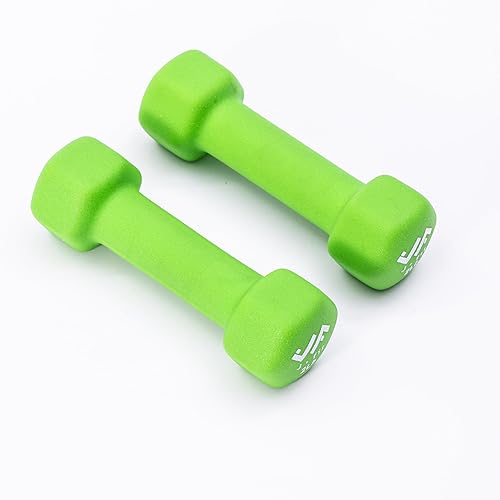

Fixed Dumbbells: What They Are and Why Millions Buy Them
Fixed dumbbells come in a single weight, sold as a pair with no moving parts. The Amazon DB1001 is a cast iron and PVC-coated pair at 6 pounds, priced at $9.77, and has earned 127,742 reviews with roughly 20,000 pairs sold each month. The JFIT J-DBN2SET is a cast iron neoprene pair at 2 pounds, priced at $9.99, with 7,600 reviews. The CAP SDN4BPIS-30 is a heavier neoprene pair at 30 pounds for $32.99, backed by 2,954 reviews and 3,000 monthly purchases. Those three products alone illustrate the fixed dumbbell range: light entry-level pairs costing under $10 to heavier working weights around $33.
Fixed dumbbells are grab-and-go. There are no dials, no selector plates to slide, and no weight-lock mechanism to maintain. You pick them up and train. That simplicity drives their popularity. Entry-level pairs like the Amazon DB1001 and the JFIT J-DBN2SET cost under $10 each, making it practical to add one or two specific weights at a time as your strength grows. The tradeoff is straightforward: buying a full range from 2 to 30 pounds in fixed pairs means purchasing multiple individual sets, each needing its own shelf or rack space.
How Adjustable Dumbbells Work
Adjustable dumbbells use a dial, pin, or sliding selector mechanism to load different plate stacks onto a single handle. Turning the dial or repositioning the selector locks in the desired weight, and the remaining plates stay in the base cradle. A single pair of adjustable dumbbells can replace an entire rack of fixed pairs, covering a continuous weight range from a low setting up to the maximum the set supports.
The mechanism adds complexity that fixed dumbbells do not have. Selector components wear with heavy use over time, and dropping adjustable dumbbells at full load risks damaging the lock mechanism or the weight cradle. Adjustment time between sets adds a few seconds per weight change, which matters during fast circuits where you move quickly from one exercise to the next. The upfront cost of a quality adjustable set is higher than a single fixed pair but lower than purchasing a dozen fixed pairs to cover the same weight range.
Cost Comparison: Single Pairs vs. Covering a Full Range
At the low end, fixed dumbbells are very affordable per pair. The Amazon DB1001 at 6 pounds costs $9.77 and the JFIT J-DBN2SET at 2 pounds costs $9.99. If you only train with one or two specific weights, buying those fixed pairs costs far less than any adjustable set. The math changes when you need coverage across many weights. The CAP SDN4BPIS-30 at 30 pounds costs $32.99. Buying fixed pairs at 5, 10, 15, 20, 25, and 30 pounds means purchasing six separate pairs, and the cumulative spend grows with each step.
Adjustable dumbbells carry a higher upfront price but cover a broad range in a single purchase. If your training spans many weight levels, an adjustable set often costs less per pound of coverage than buying an equivalent array of fixed pairs. The break-even point depends on how many distinct weights you genuinely use. Lifters who stick to two or three weights for light cardio or physical therapy work will often find the fixed pair option more economical.
Space Footprint in a Home Gym
A meaningful collection of fixed dumbbells needs a rack. Even a modest selection covering 5 to 30 pounds in 5-pound steps means six pairs plus the rack holding them. That footprint adds up in a garage gym or spare room where every square foot counts. The rack must also be positioned so you can safely pick up and set down weights without stepping over each other.
Adjustable dumbbells shrink that footprint to two base cradles, each roughly the size of a single heavy dumbbell. For home gym owners with limited floor space, that difference is significant. If you have a dedicated room with open floor, fixed dumbbells on a rack stay organized and immediately accessible. If you train in a bedroom corner or a tight section of a garage, adjustable dumbbells leave more room for a bench, an exercise mat, or a squat rack.
Durability and Feel During Training
Fixed dumbbells are structurally simple: a steel or cast iron handle with weight either cast as one piece or welded, sometimes coated in neoprene or PVC for grip and floor protection. The Amazon DB1001 uses cast iron with a PVC coating. The CAP SDN4BPIS-30 uses neoprene over iron. These coatings cushion contact with the floor and reduce noise, but neoprene degrades over years of heavy use and sweat exposure. Bare cast iron is the most durable construction long-term, though it is harder on flooring if dropped.
Adjustable dumbbells introduce a selector mechanism that fixed dumbbells simply do not have. Quality sets are engineered to handle repeated daily use, but they require careful handling. Dropping adjustable dumbbells from height, or using them for explosive ballistic movements that place high shock loads on the ends, can crack the weight cradle or damage the locking selector. Fixed dumbbells tolerate rougher handling because there is nothing mechanical to break. For heavy compound moves such as dumbbell rows, presses, or Romanian deadlifts performed at higher loads, many lifters prefer the confidence of a solid fixed pair.
Who Should Buy Fixed and Who Should Buy Adjustable
Fixed dumbbells are the right choice when you train with a narrow weight range, already have a dumbbell rack with available space, want the most durable option for heavy compound movements, or need a quick purchase to add one specific weight to your setup. The Amazon DB1001 at $9.77 and the JFIT J-DBN2SET at $9.99 are excellent for light cardio circuits, warm-up sets, shoulder accessory work, or rehabilitation exercises where a single light weight is all you need.
Adjustable dumbbells make more sense when your training spans a wide range of weights, your home gym has limited floor space, you want a single purchase to cover your entire strength progression for the next few years, and you train at a measured pace that allows a few seconds for weight changes between sets. The CAP SDN4BPIS-30 illustrates where fixed dumbbells can become costly in aggregate: at $32.99 for a 30-pound pair, buying several weights across a progression adds up faster than a quality adjustable set covering the same territory from a single upfront purchase. Gymso is an Amazon Associate and earns from qualifying purchases; rankings reflect buyer demand and verified owner feedback, not lab testing.
Common mistakes to avoid
- Buying one fixed pair at a single light weight and expecting it to cover every exercise in your routine. A 6-pound pair handles shoulder raises but not dumbbell rows or goblet squats, which require heavier loads.
- Assuming adjustable dumbbells always save money. If you only ever use two or three weight settings, buying those specific fixed pairs individually often costs less than a full adjustable set.
- Choosing neoprene-coated fixed dumbbells for heavy loads above 25 pounds where the coating absorbs more abuse. Bare cast iron holds up better at heavier weights used for compound lifting.
- Not accounting for adjustment time when using adjustable dumbbells in superset or circuit training. Switching from a 15-pound setting to a 30-pound setting between back-to-back exercises adds seconds that compound across a full session.
- Dropping adjustable dumbbells from height or using them for ballistic moves such as cleans or snatches, which places high shock on the selector mechanism and can damage the cradle over time.
- Buying fixed pairs without a rack plan and storing them on the floor, where they become a tripping hazard and take up more usable space than a rack would.
Frequently asked questions
Are fixed dumbbells better for beginners?
Not necessarily better, but simpler. A beginner who only needs one or two light weights will spend less on fixed pairs. The Amazon DB1001 at $9.77 for a 6-pound pair is a low-risk starting point. As your strength grows and you need a broader range of weights, fixed pairs become more expensive and space-intensive to accumulate.
Do adjustable dumbbells work for heavy compound lifts?
Yes, as long as the selector mechanism locks securely at the weight you need. Check the maximum weight capacity of any adjustable set before buying for heavy dumbbell pressing, rowing, or deadlift variations. For lifters who regularly train above 40 to 50 pounds per hand, verify that the specific adjustable model you are considering supports that load.
How much floor space does a fixed dumbbell collection require?
It depends on the number of pairs and the rack design. A set covering 5 to 30 pounds in 5-pound steps means six pairs plus a rack. Specific rack dimensions are not published for the products in our data, so verify floor footprint with the retailer for the rack you plan to use. In general, plan for at least 3 to 5 feet of linear wall space for a modest fixed collection.
Can I do the same exercises with fixed and adjustable dumbbells?
Yes. Fixed and adjustable dumbbells perform identically for any exercise once you have the right weight loaded. The difference is how you get to that weight, not what you can do with it. Presses, rows, curls, lateral raises, and lunges all work the same way regardless of which type you are holding.
Which type holds up better to daily heavy use?
Fixed cast iron dumbbells are more durable for heavy, frequent training because there are no moving parts to wear out. The Amazon DB1001 uses cast iron construction and has 127,742 reviews, indicating it holds up across a wide variety of users over time. Adjustable dumbbells with quality mechanisms handle daily use well but require more careful handling to protect the selector components.